Home · Services · Flood Cleanup
Flood Cleanup in Cheyenne, WY
Quick answer
Cleanup after storm, river, or flash-flood water enters a home, including contaminated-water handling.
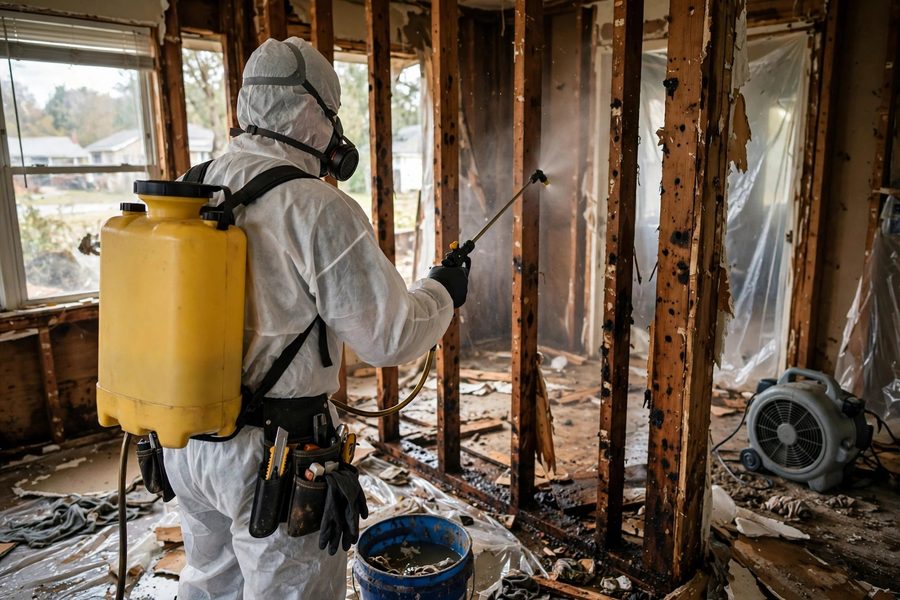
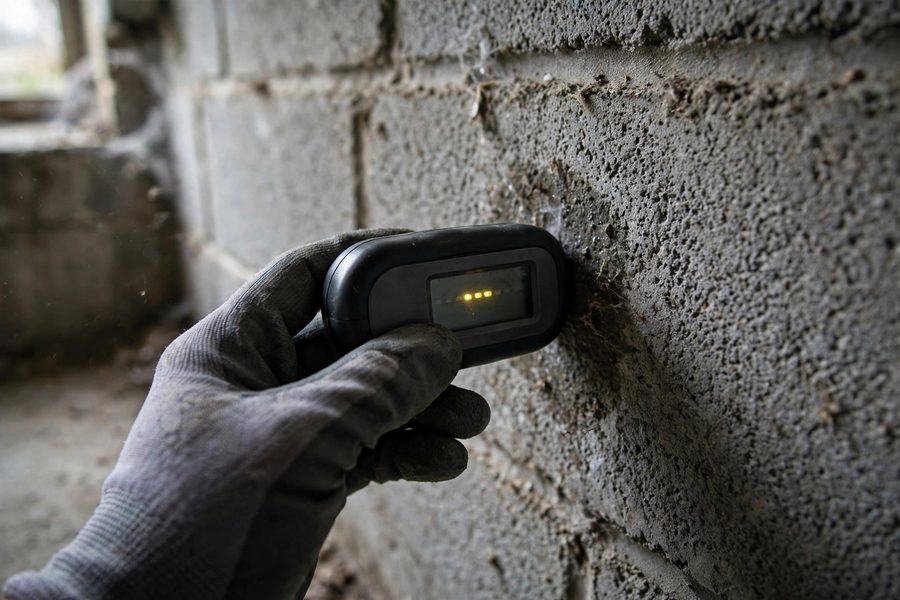
Flood cleanup in Cheyenne means water that crossed yards and low ground along the Crow Creek drainage before it entered at garage seams and low doors, plus the spring melt version: snowpack releasing into saturated clay and sandy soil faster than the ground can take it. Water that crossed pavement and soil is handled as contaminated until an assessment says otherwise. The cleanup reads entry lines room by room and keeps metering the wall base after the visible water leaves.
Signs you need flood cleanup
- Mud, silt, or debris lines inside the home after water recedes
- A sewage or chemical smell in flood-affected rooms
- Saturated belongings, flooring, and lower drywall
- Floodwater reached wall outlets or the furnace/AC air handler
What the job involves
What affects the price
- Depth the water reached (drywall cuts are priced by height and linear feet)
- Number of rooms and amount of debris/silt
- Whether HVAC, electrical, or appliances were submerged (separate trades may be needed)
- Days of drying equipment
When it is an emergency
Floodwater is contaminated water: do not wade in it without protection, do not run a furnace that was submerged, and do not wait for it to 'dry on its own' - framing stays wet long after surfaces feel dry.
PLACEHOLDERFlood Cleanup across the Cheyenne area
Related services
Water Damage Restoration
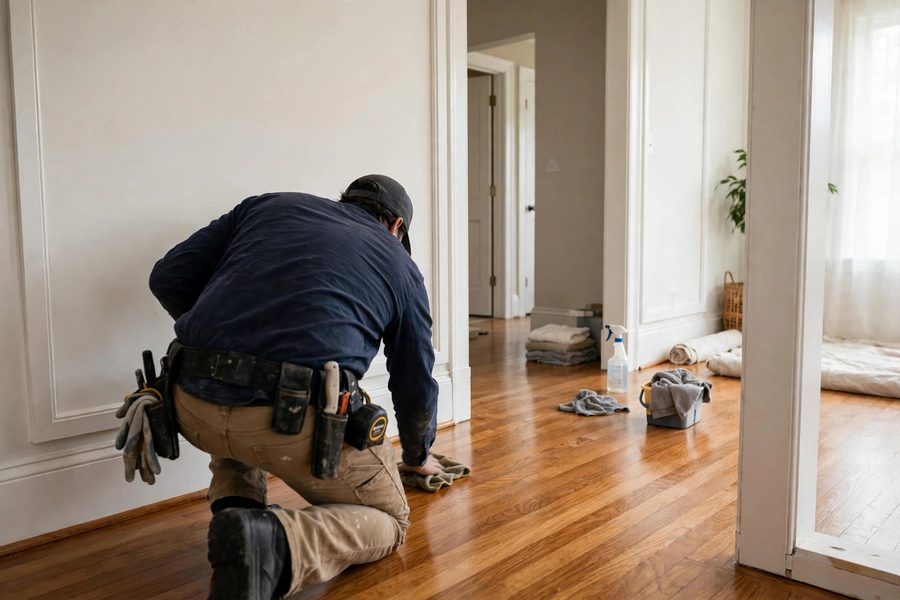
Full cleanup and drying after any water intrusion, from a soaked carpet to a flooded ground floor.
Burst Pipe Water Cleanup
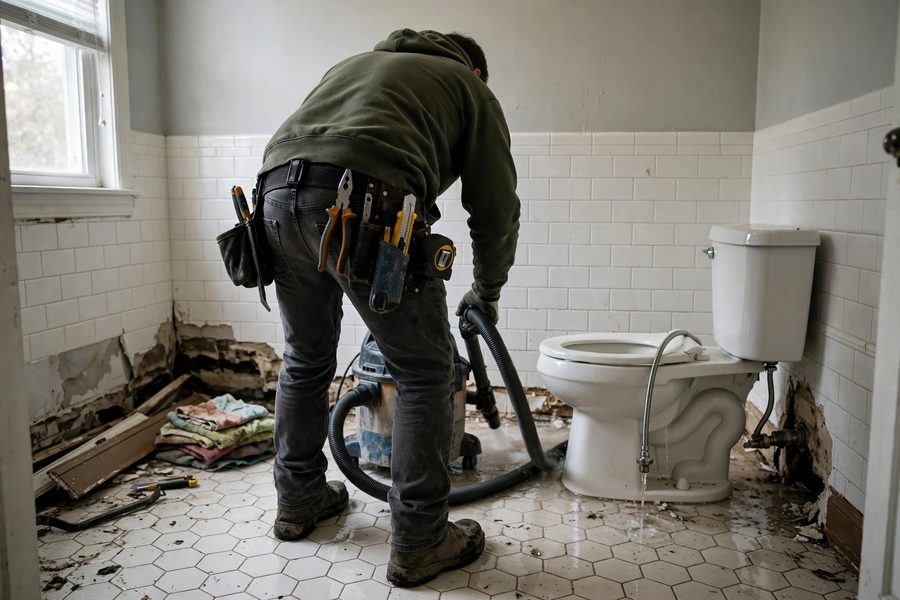
Cleanup and drying after a pipe bursts, splits, or lets go at a fitting, including freeze breaks.
Emergency Water Removal
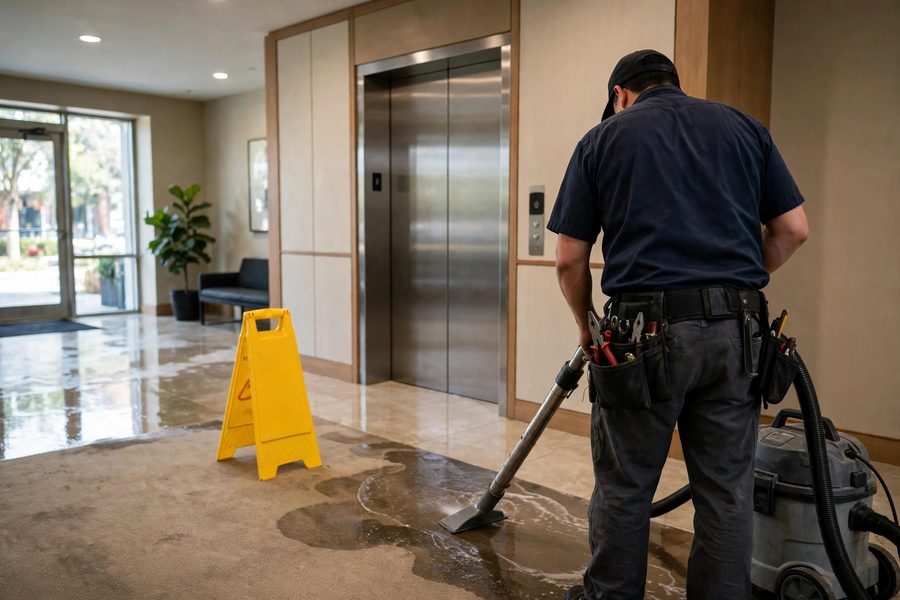
Rapid extraction of standing water, day or night, before it migrates into walls and subfloor.
Basement Water Removal & Drying
Pumping, extraction, and drying for flooded basements, plus help spotting the entry point.
Flood Cleanup questions, answered
When is flood cleanup an emergency?
Floodwater is contaminated water: do not wade in it without protection, do not run a furnace that was submerged, and do not wait for it to 'dry on its own' - framing stays wet long after surfaces feel dry.
What affects the price of flood cleanup in Cheyenne?
The main price factors for flood cleanup are covered in the cost section above. The contractor confirms the exact price in a written estimate after seeing the job, and nothing is owed until you approve it. The call and the referral are free.
How much does water damage restoration cost in Cheyenne?
It depends mostly on how much material got wet, how long it sat, and whether contaminated water was involved. Small single-room extraction and drying jobs run far less than multi-room losses with demolition. The connecting contractor gives you a written estimate after seeing the damage - we never quote a job price over the phone.
Can I dry water damage myself with fans and a shop vac?
For a small, clean-water spill caught in the first hours, yes, often. Where DIY drying fails is wall cavities, under flooring, and below grade: surfaces feel dry while framing stays wet. If water reached walls, flooring seams, or a basement, metered drying is what prevents the second, mold-shaped bill.
Will there be mold after water damage?
Mold needs moisture, food (drywall paper, dust, wood), and time. Fast extraction and verified drying remove the moisture leg, which is why speed matters more than any spray. If a loss sat for days before drying, the contractor will check cavities and can tell you plainly what they find.
Request a callback
Prefer to talk later? Leave your details and an independent local pro will call you back. No charge to you, no obligation.
Crow Creek Restoration is a free referral service. Submitting this form connects you with independent local contractors who provide the work.